

How Screen-Free Play Helps Children Learn, Grow, and Imagine
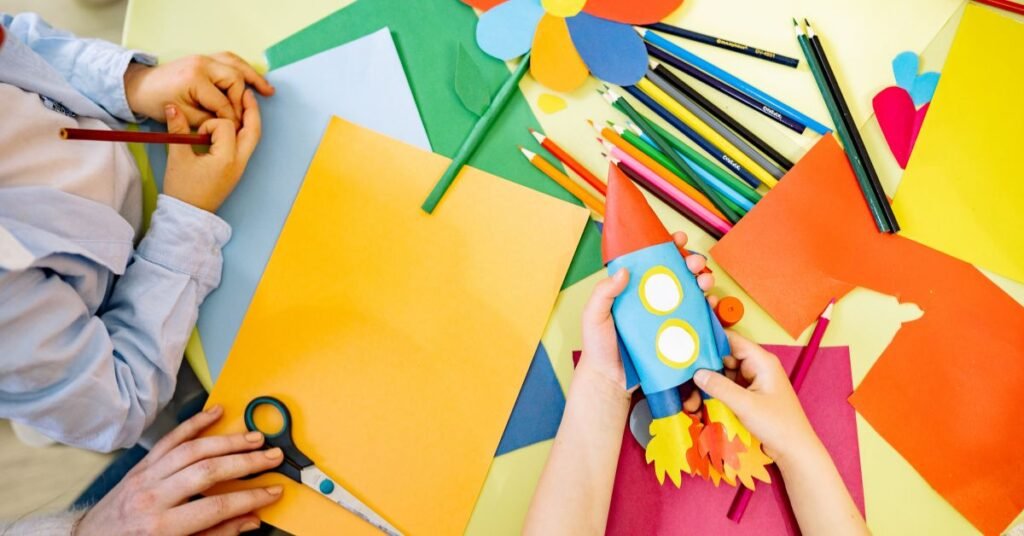
Technology has become a regular part of modern family life. Smartphones, tablets, televisions, and digital games are now easily accessible, even to young children. While technology can offer educational opportunities, many parents are becoming increasingly concerned about the amount of time children spend in front of screens.
Early childhood is a period of rapid physical, emotional, social, and cognitive development. During these important years, children learn best through real-world experiences that encourage movement, creativity, exploration, and interaction. That is why screen-free play remains one of the most valuable tools for healthy childhood development.
Screen-free activities encourage children to use their imagination, solve problems, communicate with others, and explore the world around them. Instead of passively watching content, children become active participants in their own learning journey.
At Saanjh Crafts, handmade educational products are thoughtfully created to inspire curiosity, creativity, and meaningful learning through interactive play.
What Is Screen-Free Play?
Screen-free play includes activities that do not rely on digital devices for entertainment or learning. Instead, children engage with physical objects, imaginative games, storytelling, sensory activities, and creative exploration.
Examples of screen-free play include:
- Pretend play
- Reading books
- Puzzle solving
- Drawing and coloring
- Building activities
- Educational playmats
- Storytelling games
- Arts and crafts
These activities encourage children to think independently while interacting with their environment in meaningful ways.
Unlike digital entertainment, screen-free play allows children to actively create experiences rather than simply consume them.
Why Children Learn Better Through Hands-On Experiences
Children naturally learn by doing.
Touching, moving, building, observing, and experimenting all help strengthen important brain connections during early childhood.
Hands-on learning supports the development of:
- Problem-solving skills
- Critical thinking
- Fine motor skills
- Memory
- Coordination
- Communication
When children physically interact with learning materials, they become more engaged and retain information more effectively.
Educational play encourages curiosity because children are discovering ideas instead of simply receiving information.
This active participation helps create stronger learning experiences.
Creative Play Encourages Imagination
Imagination is one of the most valuable skills children can develop.
Creative play allows children to invent stories, solve imaginary problems, and express themselves freely.
Whether pretending to run a shop, explore a forest, or travel through space, imaginative play strengthens creativity while encouraging flexible thinking.
Children who regularly participate in creative activities often become better at:
- Storytelling
- Communication
- Innovation
- Decision-making
- Emotional expression
Screen-free learning creates opportunities for children to become creators rather than spectators.
Educational Playmats Make Learning Fun
Educational playmats combine learning with movement and imagination.
Instead of memorizing information, children explore concepts through interactive experiences.
Educational playmats can introduce themes such as:
- Animals
- Transportation
- Community helpers
- Nature
- Shapes
- Numbers
- Daily routines
Because learning feels like play, children remain engaged for longer periods.
Educational playmats also encourage parents and children to play together, creating valuable bonding opportunities while supporting early learning.
At Saanjh Crafts, educational playmats are designed to inspire curiosity while making learning enjoyable and interactive.
Screen-Free Activities Build Strong Communication Skills
Communication develops through interaction.
Children strengthen language skills when they:
- Ask questions
- Tell stories
- Describe objects
- Role-play different situations
- Play with family members
Unlike passive screen time, interactive play encourages constant conversation.
Parents also have more opportunities to guide learning naturally through everyday discussions.
These conversations help children expand vocabulary while building confidence in expressing ideas.
Communication is one of the most important life skills children develop during early childhood.
Active Play Supports Healthy Physical Development
Furniture provides structure, but decorative accessories bring a room to life.
Small additions such as:
- Handmade baskets
- Decorative trays
- Wooden accents
- Artisan textiles
- Decorative storage
can completely change how a room feels.
These finishing touches create warmth without requiring major redesigns.
Well-chosen accessories also make spaces feel intentional and cohesive.
Rather than buying many decorative pieces, invest in a few meaningful items that complement each other.
Handmade Educational Products Create Meaningful Learning
Handmade educational products offer a unique learning experience because they combine craftsmanship with thoughtful design.
Unlike many mass-produced toys, handcrafted learning products focus on creativity rather than overstimulation.
Handmade educational products often feature:
- Soft textures
- Interactive elements
- Creative themes
- Durable craftsmanship
- Child-friendly designs
These qualities encourage children to explore naturally while creating stronger emotional connections with learning materials.
At Saanjh Crafts, every educational product is carefully crafted to support joyful, screen-free learning experiences.
Building Confidence Through Independent Play
Independent play is an important part of child development.
When children explore activities on their own, they learn how to:
- Solve problems
- Make decisions
- Stay focused
- Build confidence
- Think creatively
Educational play gives children opportunities to experiment without fear of making mistakes.
As they complete small challenges independently, they develop confidence that carries into school, friendships, and everyday life.
Parents can encourage independent learning by providing open-ended educational activities instead of highly structured entertainment.
Parents Play an Important Role
Although independent play is valuable, children also benefit greatly from spending time with parents during learning activities.
Reading together, telling stories, and exploring educational playmats help strengthen family relationships while supporting development.
Parents can encourage screen-free learning by:
- Creating daily play routines
- Limiting unnecessary screen time
- Providing creative learning materials
- Asking open-ended questions
- Celebrating curiosity
Simple everyday interactions often become the most meaningful learning experiences.
Creating Healthy Learning Habits for the Future
The habits children develop today influence how they learn throughout life.
Children who experience regular creative play often become more curious, confident, and independent learners.
Screen-free learning helps build lifelong skills including:
- Curiosity
- Creativity
- Communication
- Confidence
- Critical thinking
These abilities remain valuable well beyond childhood.
Helping children enjoy learning today creates stronger foundations for tomorrow.
Conclusion
Screen-free play remains one of the most powerful ways to support healthy childhood development. Through creative activities, educational play, and meaningful interaction, children develop the skills they need to grow into confident, curious, and capable individuals.
Learning does not always require technology. Often, the most valuable lessons come through imagination, exploration, and hands-on experiences.
At Saanjh Crafts, handmade educational play products are thoughtfully designed to inspire creativity, encourage curiosity, and support joyful learning every day.
What is screen-free play?
Screen-free play includes activities that encourage learning and creativity without using phones, tablets, televisions, or other digital devices.
Why is screen-free play important for children?
It supports creativity, communication, physical development, emotional growth, and independent thinking through active learning experiences.
How do educational playmats help children?
Educational playmats encourage imagination, sensory exploration, storytelling, and interactive learning while making education enjoyable.
How much screen-free play should children have each day?
While every child is different, experts generally recommend providing daily opportunities for active, creative, and screen-free play alongside age-appropriate screen use.
Where can I buy handmade educational play products online?
You can explore handmade educational playmats and creative learning products at Saanjh Crafts, designed to make learning engaging, interactive, and fun.
Where can I buy handmade home décor online?
You can explore handcrafted homeware, wooden décor, and artisan lifestyle products at Saanjh Crafts, designed to bring warmth and creativity into every home.