

How Everyday Play Helps Children Build Confidence and Essential Life Skills
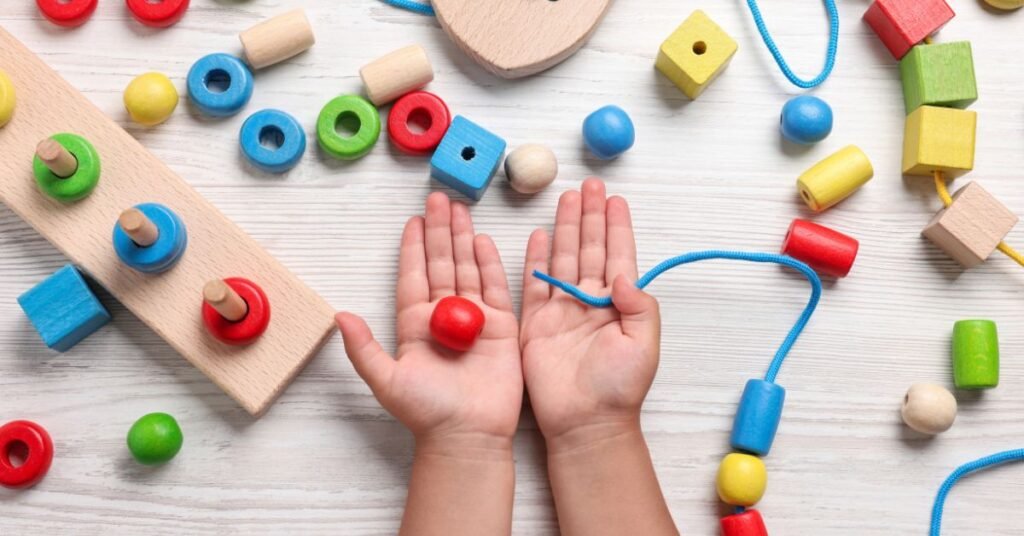
Childhood is filled with opportunities to learn, grow, and discover the world. While parents often focus on education through books and classrooms, some of the most valuable lessons happen during everyday play. Whether children are pretending to be explorers, solving puzzles, building imaginary cities, or creating stories, every playful moment contributes to their development.
Play is much more than entertainment. It is one of the most effective ways children develop confidence, independence, communication skills, and creativity. Through simple activities, children learn how to solve problems, make decisions, cooperate with others, and express their thoughts.
In today’s technology-driven world, encouraging meaningful, screen-free play has become increasingly important. Interactive learning experiences help children stay curious while developing skills that support them throughout life.
At Saanjh Crafts, handmade educational products are thoughtfully created to encourage imaginative play, creativity, and joyful learning for children of all ages.
Why Play Is an Essential Part of Childhood
Children are naturally curious. They explore, ask questions, and learn by interacting with the world around them.
Play allows children to:
- Experiment with new ideas
- Explore their imagination
- Learn through experience
- Develop social skills
- Build emotional resilience
Unlike structured lessons, play allows children to learn at their own pace. There are no right or wrong answers—only opportunities to discover, create, and grow.
This freedom encourages children to become confident learners who enjoy solving problems independently.
Confidence Grows Through Small Achievements
Every time a child completes a simple challenge during play, they gain confidence.
Whether they finish a puzzle, build a tower, invent a story, or solve a pretend problem, these small successes help children believe in their abilities.
Confidence grows when children are encouraged to:
Make their own decisions
Try new activities
Learn from mistakes
Complete tasks independently
Celebrate small achievements
Parents often notice that children who regularly participate in creative play become more willing to explore new experiences both at home and in school.
Imaginative Play Develops Creative Thinking
Imagination is one of the most valuable skills children can develop.
Creative play allows children to invent stories, characters, and adventures while exploring different situations.
For example, children may pretend to:
- Run a grocery store
- Build a city
- Become teachers
- Travel through space
- Care for animals
These activities strengthen creative thinking and encourage children to develop original ideas.
Creative thinking also helps children approach future challenges with curiosity and confidence
Screen-Free Activities Encourage Active Learning
Digital devices have become a common part of daily life, but children also need opportunities to interact with the real world.
Screen-free activities encourage children to:
Think independently
Use their imagination
Stay physically active
Improve concentration
Interact with others
Instead of simply watching content, children become active participants in their own learning.
Hands-on experiences often create stronger memories because children engage multiple senses while exploring new ideas.
Educational play products provide meaningful alternatives that balance learning with fun.
Learning Social Skills Through Play
Many important social skills develop naturally during play.
When children play together, they learn how to:
- Share
- Take turns
- Communicate clearly
- Solve disagreements
- Cooperate with others
These experiences prepare children for school, friendships, and future teamwork.
Role-playing activities also help children understand different perspectives and practice empathy.
Social development is just as important as academic learning during early childhood.
Play Supports Language Development
Conversations during play help children expand their vocabulary and improve communication skills.
As children describe ideas, tell stories, and ask questions, they naturally strengthen their language abilities.
Parents can encourage language development by:
- Reading together
- Asking open-ended questions
- Playing storytelling games
- Encouraging pretend conversations
- Exploring educational activities together
Everyday conversations during play often become valuable learning moments.
Physical Play Supports Healthy Growth
Children also need opportunities to move.
Activities involving crawling, balancing, reaching, jumping, and building improve physical coordination and body awareness.
Active play helps develop:
- Fine motor skills
- Gross motor skills
- Balance
- Coordination
- Hand-eye coordination
Movement keeps children engaged while supporting healthy physical development.
Learning becomes even more enjoyable when children can combine movement with imagination.
Handmade Learning Products Inspire Curiosity
Handmade educational products offer children something unique.
Instead of relying on flashing lights or electronic sounds, handcrafted learning materials encourage children to explore through creativity and interaction.
Children enjoy products that allow them to:
- Touch different textures
- Create stories
- Explore freely
- Solve simple challenges
- Learn through imagination
At Saanjh Crafts, educational play products are carefully designed to encourage open-ended learning while supporting curiosity and creativity.
Unlike many mass-produced toys, handmade educational products provide meaningful experiences that children can enjoy repeatedly.
Parents Make the Biggest Difference
Educational toys and activities are valuable, but parents remain children’s greatest teachers.
Simple daily interactions such as:
- Reading bedtime stories
- Building together
- Asking questions
- Exploring outdoors
- Playing imaginative games
create lasting learning experiences.
Children often remember time spent with family more than the toys themselves.
Meaningful play strengthens both learning and family relationships.
Everyday Learning Happens Everywhere
Children do not only learn inside classrooms.
Learning happens while:
- Helping in the kitchen
- Organizing toys
- Exploring nature
- Playing with educational materials
- Asking questions about the world
Parents can turn ordinary moments into valuable learning experiences simply by encouraging curiosity.
Everyday life offers endless opportunities for children to discover new ideas.
Preparing Children for the Future
The skills developed through play extend far beyond childhood.
Creative learning helps children become:
- Independent thinkers
- Confident learners
- Better communicators
- Creative problem-solvers
- Curious explorers
These qualities support academic success while preparing children for future careers and everyday life.
Encouraging meaningful play today helps children become capable adults tomorrow.
Why Handmade Educational Products Matter
Parents today increasingly value products that encourage creativity instead of passive entertainment.
Handmade educational products provide:
- Interactive learning
- Thoughtful craftsmanship
- Durable quality
- Creative exploration
- Meaningful play experiences
Rather than replacing imagination with technology, handcrafted learning products inspire children to create, discover, and explore independently.
This makes them valuable additions to any learning environment.
Conclusion
Everyday play is one of the most effective ways children build confidence, creativity, communication skills, and essential life skills. Through imaginative activities, hands-on learning, and meaningful interactions, children develop abilities that benefit them throughout life.
Simple moments of play often become the foundation for lifelong learning.
At Saanjh Crafts, every handmade educational product is thoughtfully designed to inspire curiosity, creativity, and joyful learning while helping children grow with confidence.
Why is everyday play important for children?
Everyday play helps children develop confidence, creativity, communication skills, and problem-solving abilities while making learning enjoyable.
How does imaginative play support child development?
Imaginative play encourages creative thinking, storytelling, emotional expression, and independent decision-making.
What are the benefits of screen-free play?
Screen-free play promotes physical activity, social interaction, creativity, concentration, and hands-on learning experiences.
How can parents encourage learning through play?
Parents can provide educational activities, read together, ask questions, encourage storytelling, and spend quality time playing with their children.
Are handmade educational products better for creative learning?
Handmade educational products often encourage open-ended exploration, imagination, and meaningful interaction rather than passive entertainment.
Where can I buy handmade educational play products?
You can explore handmade educational playmats and creative learning products at Saanjh Crafts, designed to inspire curiosity, confidence, and joyful childhood learning.