

How Play-Based Learning Helps Children Develop Essential Skills
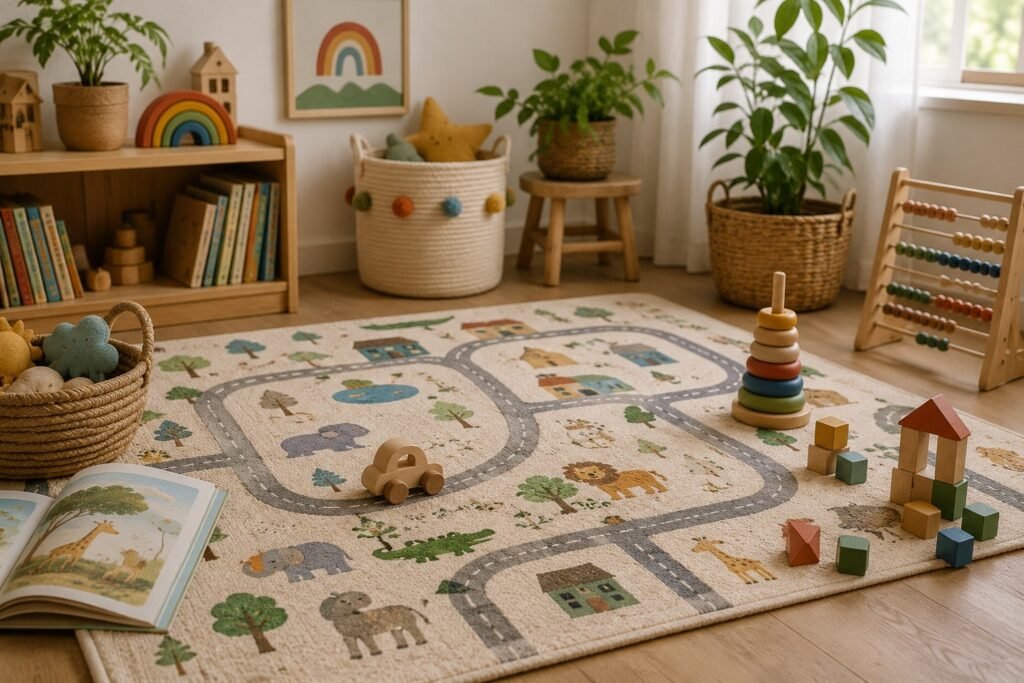
Children are naturally curious. From an early age, they learn by touching, observing, asking questions, moving around, and experimenting with the world around them. While formal education becomes important as children grow, learning does not begin in a classroom. Many of the most important early skills develop naturally through play.
Play-based learning gives children the opportunity to explore ideas while having fun. Instead of separating learning and play, it combines them in a way that feels natural to young children. Through imaginative games, hands-on activities, storytelling, and interactive learning, children can develop skills that support them at home, in school, and in everyday life.
For parents looking for meaningful alternatives to passive entertainment, play-based activities can create valuable learning experiences while keeping childhood enjoyable and creative.
What Is Play-Based Learning?
Play-based learning is an approach where children develop knowledge and skills through playful activities and exploration. The activity can be structured by an adult or open-ended, allowing children to decide how they want to interact with it.
Examples include pretend play, building, puzzles, storytelling, sensory activities, drawing, and interactive educational games.
The important part is active participation. Children are not simply watching or receiving information. They are making choices, testing ideas, communicating, and learning from what happens next.
This makes play a powerful way to introduce concepts without making learning feel like a formal lesson.
Play Builds Problem-Solving Skills
Children encounter small problems constantly during play. A block tower falls, a puzzle piece does not fit, or an imaginary story needs a solution. These moments encourage children to think, try different approaches, and learn from mistakes.
Problem-solving through play can help children develop patience and flexible thinking. They learn that making a mistake does not necessarily mean failure; it can be part of finding a better solution.
These skills become useful later when children face challenges in school and everyday situations.
Imaginative Play Encourages Creativity
Imagination gives children the freedom to create possibilities beyond what they see around them. A simple object can become a shop, a vehicle, a house, or part of an imaginary adventure.
Pretend play encourages children to create stories, characters, and situations. It also gives them opportunities to practice language and express ideas.
Creative play does not need expensive equipment. Simple, open-ended materials can often provide hours of exploration when children are given the freedom to use their imagination.
Educational Playmats Make Learning Interactive
Educational playmats can turn floor space into an environment for exploration. Instead of sitting still and memorizing information, children can move, observe, tell stories, and interact with visual themes.
A playmat can encourage children to explore familiar subjects, practice language, identify objects, or create imaginative scenarios. Parents can also join the activity by asking questions and encouraging children to explain what they see.
Explore the Saanjh Crafts Playmats Collection for handmade learning products designed to encourage interactive play.
Play Supports Communication and Social Skills
Play provides children with countless opportunities to communicate. When children play together, they learn to share ideas, take turns, listen, negotiate, and solve disagreements.
Even pretend play with a parent can encourage communication. Asking children to describe a story or explain what they are building gives them opportunities to use new vocabulary and organize their thoughts.
These everyday conversations can help children become more confident communicators while strengthening relationships with parents and siblings.
Hands-On Activities Encourage Independent Learning
One of the strengths of play-based learning is that children can often explore at their own pace. When an activity allows multiple ways to play, children can make decisions about what to do next.
This independence can support confidence and curiosity. Children learn that they can try something themselves, make choices, and discover answers through exploration.
Parents can support this process by providing age-appropriate activities and allowing children enough time to experiment before stepping in to help.
Why Screen-Free Play Still Matters
Digital tools can have a place in modern childhood, but children also need opportunities for physical, social, and imaginative experiences away from screens.
Screen-free play encourages movement, conversation, hands-on exploration, and creative thinking. It allows children to interact directly with objects and people rather than only responding to digital content.
Creating a balanced routine with regular screen-free play can give children more opportunities to develop skills through real-world experiences.
Making Learning Part of Everyday Life
Play-based learning does not have to happen only during a planned activity. Parents can turn ordinary moments into opportunities to learn.
Sorting toys can introduce early organization and counting. Cooking can involve measuring and sequencing. A walk outside can encourage children to notice plants, animals, shapes, sounds, and changes in the environment.
The goal is not to turn every moment into a lesson. It is simply to encourage curiosity and allow children to ask questions and explore.
Conclusion
Play-based learning gives children a natural way to develop creativity, communication, problem-solving, confidence, and independence. By combining learning with enjoyable activities, children can explore new ideas without feeling pressured by formal lessons.
Handmade educational products can make these experiences even more engaging by giving children physical, interactive materials to explore.
At Saanjh Crafts, the Kids Play & Learning collection is designed around joyful exploration and meaningful childhood experiences, helping children learn while they play, imagine, and discover.
What is play-based learning?
Play-based learning is an approach where children develop knowledge and skills through playful, hands-on activities, exploration, imagination, and interaction.
What skills do children develop through play?
Play can help children develop creativity, communication, problem-solving, coordination, confidence, social skills, and independent thinking.
Are educational playmats useful for learning?
Yes. Educational playmats can encourage interactive exploration, movement, storytelling, visual learning, and parent-child engagement.
How can parents encourage play-based learning at home?
How can parents encourage play-based learning at home?
Is screen-free play important for children?
Screen-free play gives children opportunities for physical movement, hands-on exploration, social interaction, and creative thinking away from digital devices.
Where can I find handmade educational play products?
You can explore handmade educational playmats and other Kids Play & Learning products at Saanjh Crafts.